PNC Family FInds
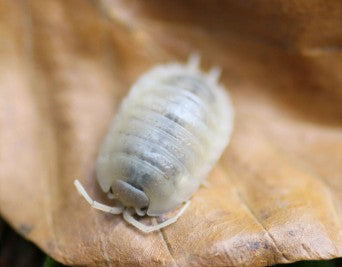
PORCELLIO LAEVIS-- WHITE Isopods 10+
PORCELLIO LAEVIS-- WHITE Isopods 10+
Couldn't load pickup availability
- Sleek, high-contrast ghosts that turn your enclosure into a bright, bustling metropolis.
- “The “White” variety has a completely white coloration, sometimes with slight yellowish or cream tones.” -- . Originally “...isolated in Europe out of "dairy cow" laevis...” -- these "Swift Woodlice" feature a “...pure, solid white on a smooth glossy shell — the highest-contrast laevis morph on dark substrate.” - While you might spot an occasional microscopic dark fleck, they lack the large, messy inkblots of their Dairy Cow cousins, offering a much cleaner, minimalist look. Because they are completely diurnal (active during the day) and incredibly fearless, they don't scurry away when you switch on the lights. They are large, lightning-fast, and put on an absolute show during feeding time.
- Best Suited For: High-visibility desktop display setups, beginner keepers looking for an explosive population boom, and large, active reptile enclosures (like blue-tongued skinks).
- Quick Care: Exceptionally hardy and beginner-friendly. They prefer a room-temperature environment with plenty of cross-ventilation. Create a standard setup with a damp corner of sphagnum moss while keeping the rest of the enclosure dry. “Porcellio laevis and Porcellio scaber have high protein requirements...” Satisfy their massive appetites by backing up their baseline hardwood leaf litter with weekly protein treats (like fish flakes or minnows) and plenty of cuttlebone for calcium. (Note: Due to their highly driven feeding habits, avoid housing them with slow, soft-bodied amphibians or fragile juveniles.
Isopods (roly-polies or pillbugs) are essential cleanup crews for bioactive terrariums, excellent natural recyclers of decaying organic waste, and popular, low-maintenance pets for invertebrate hobbyists. Iso Pods are Great For: Bioactive Enclosures & Clean-Up Crews Eating waste: They consume animal feces, shed skin, and leftover food. Controlling mold: They eat decaying plant matter to stop mold and fungus overgrowth. Recycling nutrients: They break down heavy debris and return vital nutrients to the soil for live plants. Feeding pets: They provide a safe, natural live food source or calcium-rich snack for small reptiles and amphibians. Low-Maintenance Pets & Collecting Quiet and clean: They stay silent and do not require live hunting insects for food. Unique colors: Rare morphs and species feature striking patterns like zebra stripes or duck-like shapes. Inexpensive hobby: Most common starter varieties need minimal space, like a small plastic tub with damp leaf litter and soil.
Share