PNC Family FInds
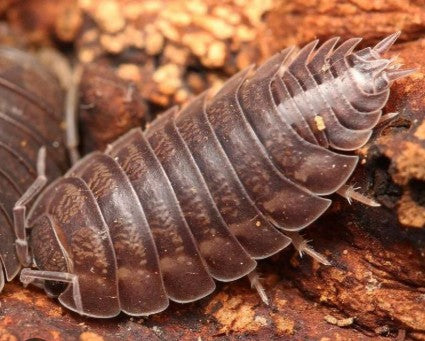
POCELLIOLAEVIS --BIG PINE KEY Isopods Each 1 count =10+ Pods
POCELLIOLAEVIS --BIG PINE KEY Isopods Each 1 count =10+ Pods
Couldn't load pickup availability
- A dazzling, color-shifting rainbow lottery from a sun-drenched Florida paradise.
- “First discovered by Alan Jeon while searching through limestone slabs in Big Pine Key (Florida, USA)...” --. This unique native is a stunning gem in the hobby. “...they're probably one of the most variable and highly patterned isopods native to the United States.” --Rather than just one uniform color, a single colony puts on a spectacular visual show: “The isopods... can range in colors from: Orange, Red, Purple, Mossy green, [and] High yellow patterns on a soft purple body.” -- They are sleek, exceptionally fast-moving, and incredibly active out in the open. For keepers who want an unforgettable, heavily patterned display that looks like an assortment of tropical candies, this Florida native is a top-tier choice.
- Best Suited For: Visual display enclosures, intermediate collectors who love genetic color variation, and macro-photography enthusiasts.
- Quick Care: “...this species... Moist side: 50% of surface area - Dry side: 50% of surface area.” Replicate their limestone-island origins by providing a distinct, sharp moisture gradient and excellent cross-ventilation. “They eat yams or any root vegetables and fish food.” Keep their habitat stocked with decaying hardwood leaves, a steady protein source to satisfy their active lifestyle, and plenty of calcium to ensure smooth, successful molting.
Isopods (roly-polies or pillbugs) are essential cleanup crews for bioactive terrariums, excellent natural recyclers of decaying organic waste, and popular, low-maintenance pets for invertebrate hobbyists. Iso Pods are Great For: Bioactive Enclosures & Clean-Up Crews Eating waste: They consume animal feces, shed skin, and leftover food. Controlling mold: They eat decaying plant matter to stop mold and fungus overgrowth. Recycling nutrients: They break down heavy debris and return vital nutrients to the soil for live plants. Feeding pets: They provide a safe, natural live food source or calcium-rich snack for small reptiles and amphibians. Low-Maintenance Pets & Collecting Quiet and clean: They stay silent and do not require live hunting insects for food. Unique colors: Rare morphs and species feature striking patterns like zebra stripes or duck-like shapes. Inexpensive hobby: Most common starter varieties need minimal space, like a small plastic tub with damp leaf litter and soil.
Share