PNC Family FInds
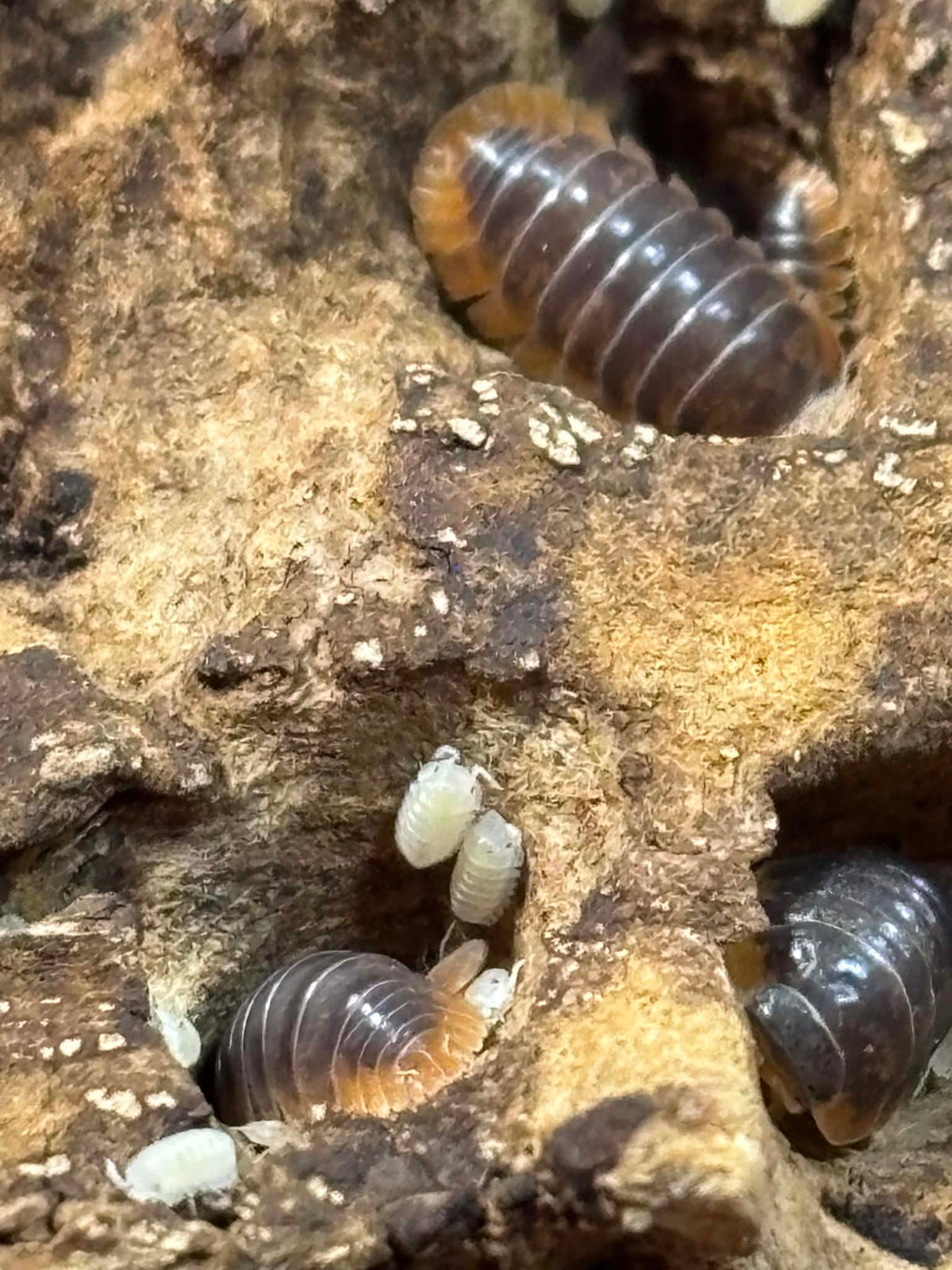
CUBARIS SP MIYAKO JAPANESE RED EDGE Isopods Each 1 count =10+ Pods
CUBARIS SP MIYAKO JAPANESE RED EDGE Isopods Each 1 count =10+ Pods
Couldn't load pickup availability
- High-contrast volcanic armor from a remote Japanese paradise.
- “A standout Japanese display Cubaris with a dark body framed by a vivid red-orange edge or "skirt" — the Japanese Red Edge look.” -. Sourced originally from a small, tropical limestone island off the coast of Southern Japan, this designer species is an absolute showstopper. “They have bright skirting against a black base.” --While many premium cave-dwelling species are notoriously shy and spend all day hiding underground, "Miyakos" are incredibly “...fearless once taken out and barely stay rolled up.” -- They love to actively patrol their territory, giving you an interactive, highly visual desktop safari. As an added bonus, this genetic line carries an exciting high-red expression—meaning as your colony breeds, you can expect an unpredictable lottery of ultra-vibrant, fiery-skirted offspring!
- Best Suited For: Intermediate collectors wanting an exclusive, highly visible Asian display species, high-end mossy terrariums, and visual macro-photography.
- Quick Care: “Due to its origin, it requires more stable humidity and constant acc to calcium.” --They do best when kept in a warm environment “(72–80°F)” -- with “...high humidity (80-90%) with very minimal dry areas.” -- Build a deep bed of moisture-retaining flake soil packed with decaying wood, and keep a generous side of your enclosure constantly damp with lush sphagnum moss. Ensure they have a permanent source of limestone or cuttlebone to maintain their brilliantly banded, tight-rolling protective armor.
Isopods (roly-polies or pillbugs) are essential cleanup crews for bioactive terrariums, excellent natural recyclers of decaying organic waste, and popular, low-maintenance pets for invertebrate hobbyists. Iso Pods are Great For: Bioactive Enclosures & Clean-Up Crews Eating waste: They consume animal feces, shed skin, and leftover food. Controlling mold: They eat decaying plant matter to stop mold and fungus overgrowth. Recycling nutrients: They break down heavy debris and return vital nutrients to the soil for live plants. Feeding pets: They provide a safe, natural live food source or calcium-rich snack for small reptiles and amphibians. Low-Maintenance Pets & Collecting Quiet and clean: They stay silent and do not require live hunting insects for food. Unique colors: Rare morphs and species feature striking patterns like zebra stripes or duck-like shapes. Inexpensive hobby: Most common starter varieties need minimal space, like a small plastic tub with damp leaf litter and soil.
Share