PNC Family FInds
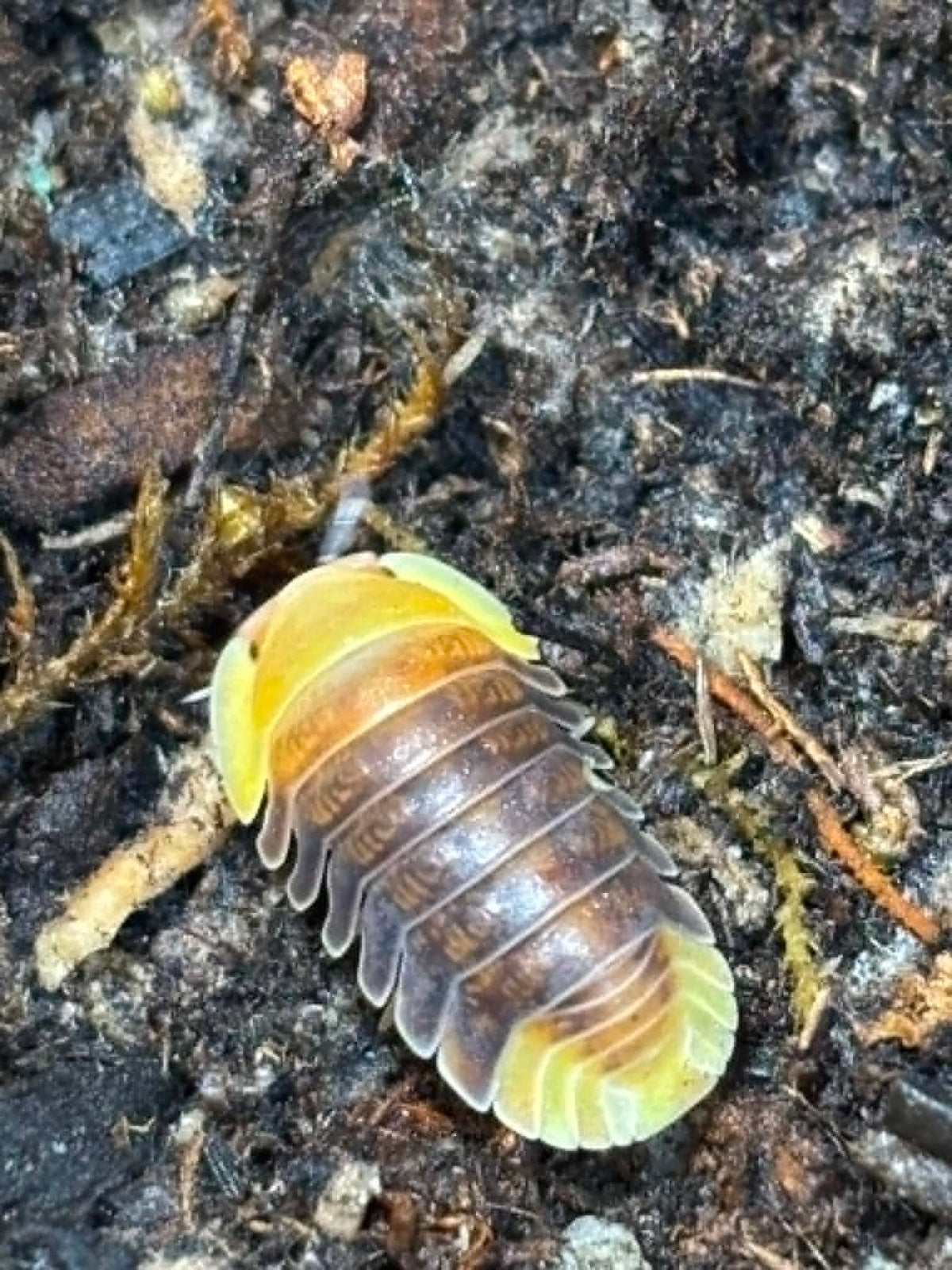
CUBARIS RUBBER DUCKY Isopods 10+ Pods
CUBARIS RUBBER DUCKY Isopods 10+ Pods
Couldn't load pickup availability
- The legendary, viral holy grail of the entire invertebrate world.
- “...arguably the most iconic and highly sought-after isopod in the hobby.” -- Discovered deep inside the tropical limestone caves of Thailand, “...this unique species of isopod has captured the attention and adoration of people all around the world...” because “...from the front [it] looks precisely like the face and bill of a rubber duck toy.” Draped in rich amber and charcoal armor with a bright yellow "beak," they are the ultimate living collectibles. Because they are shy, subterranean cave dwellers, managing a colony feels like nurturing a hidden micro-world. Watching a tiny, perfectly formed baby ducky emerge from the moss for the first time is one of the most thrilling and rewarding milestones an invert keeper can experience.
- Best Suited For: Intermediate to advanced hobbyists looking for a stunning centerpiece investment colony, high-end tropical bio-active display vivariums, and dedicated collectors.
- Quick Care: “Rubber Duckies NEED high humidity to survive. ✓ Humidity range: 80–90%” -Provide limited airflow to lock in a damp, stable microclimate. “...Rubber Ducky Isopods prefer high humidity (think tropical cave) with at least six inches or deeper of a well-built BioActive substrate.” This deep soil allows them to burrow, molt, and breed naturally. “As calcifiles, they require high levels of calcium carbonate for successful molting and exoskeleton development.” - Pack your substrate with pulverized limestone, keep a permanent supply of cuttlebone available, and treat them weekly to high-protein fish flakes or dried shrimp to support their legendary lineage
Isopods (roly-polies or pillbugs) are essential cleanup crews for bioactive terrariums, excellent natural recyclers of decaying organic waste, and popular, low-maintenance pets for invertebrate hobbyists. Iso Pods are Great For: Bioactive Enclosures & Clean-Up Crews Eating waste: They consume animal feces, shed skin, and leftover food. Controlling mold: They eat decaying plant matter to stop mold and fungus overgrowth. Recycling nutrients: They break down heavy debris and return vital nutrients to the soil for live plants. Feeding pets: They provide a safe, natural live food source or calcium-rich snack for small reptiles and amphibians. Low-Maintenance Pets & Collecting Quiet and clean: They stay silent and do not require live hunting insects for food. Unique colors: Rare morphs and species feature striking patterns like zebra stripes or duck-like shapes. Inexpensive hobby: Most common starter varieties need minimal space, like a small plastic tub with damp leaf litter and soil.
Share