PNC Family FInds
CUBARIS PANDA KINGS Isopods 10+
CUBARIS PANDA KINGS Isopods 10+
Couldn't load pickup availability
- The ultimate, un-bear-ably cute "gateway" to elite Southeast Asian cave isopods.
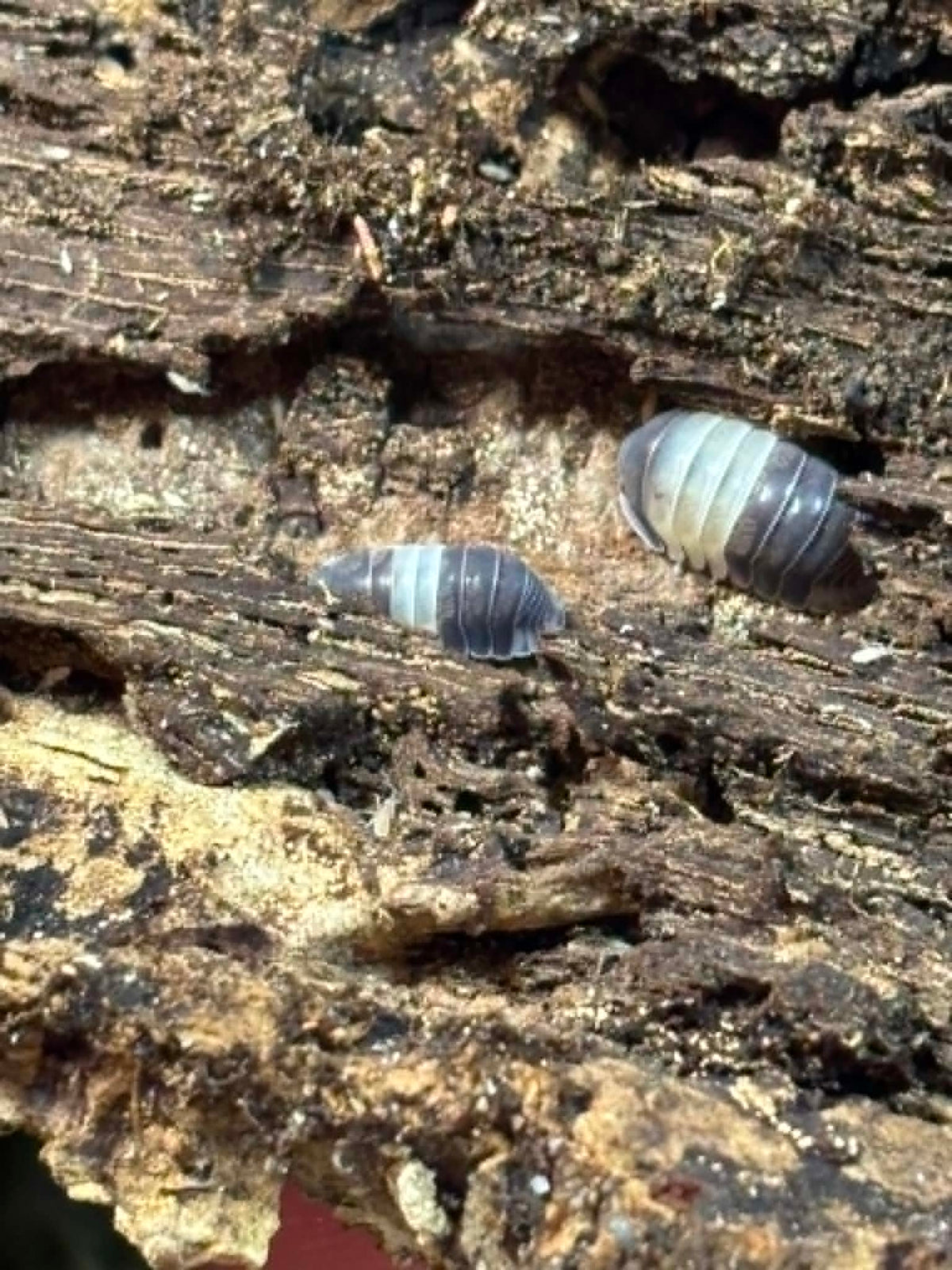
- “One of the most popular isopods you will find in the hobby and often where many people's Cubaris journeys start!” . Named for their bold, chunky build and contrast-heavy, creamy white bands sandwiched between deep charcoal armor, Panda Kings look like miniature teddy bears patrolling the forest floor. For keepers who covet the legendary look of exotic cave-dwelling species but aren't ready for a steep "designer bug" price tag, this Vietnamese native is the perfect budget-friendly match. “Panda King Isopods enjoy the same temperature and humidity conditions as Rubber Ducky Isopods, but they seem to be more tolerant of humidity changes.” -While they can be a bit shy and love to dig when first introduced, a settled colony becomes incredibly social, active in the evenings, and highly rewarding to watch grow.
- Best Suited For: Hobbyists wanting a premium Cubaris experience on a budget, tropical terrariums, and families fascinated by cute, unique micro-fauna.
- Quick Care: “They need high humidity levels - at least 75%.” - Maintain a steady, deep moisture gradient with a generous patch of damp sphagnum moss. Because they love to burrow and aerate the earth, provide at least 2 to 3 inches of nutrient-rich substrate topped with thick layers of decaying hardwood leaf litter. “Panda kings need more protein than your average isopod to truly thrive...” - Offer high-protein treats (like fish flakes or shrimp pellets) alongside a permanent calcium source like cuttlebone to keep their thick, round armor shells healthy
Isopods (roly-polies or pillbugs) are essential cleanup crews for bioactive terrariums, excellent natural recyclers of decaying organic waste, and popular, low-maintenance pets for invertebrate hobbyists. Iso Pods are Great For: Bioactive Enclosures & Clean-Up Crews Eating waste: They consume animal feces, shed skin, and leftover food. Controlling mold: They eat decaying plant matter to stop mold and fungus overgrowth. Recycling nutrients: They break down heavy debris and return vital nutrients to the soil for live plants. Feeding pets: They provide a safe, natural live food source or calcium-rich snack for small reptiles and amphibians. Low-Maintenance Pets & Collecting Quiet and clean: They stay silent and do not require live hunting insects for food. Unique colors: Rare morphs and species feature striking patterns like zebra stripes or duck-like shapes. Inexpensive hobby: Most common starter varieties need minimal space, like a small plastic tub with damp leaf litter and soil.
Share