PNC Family FInds
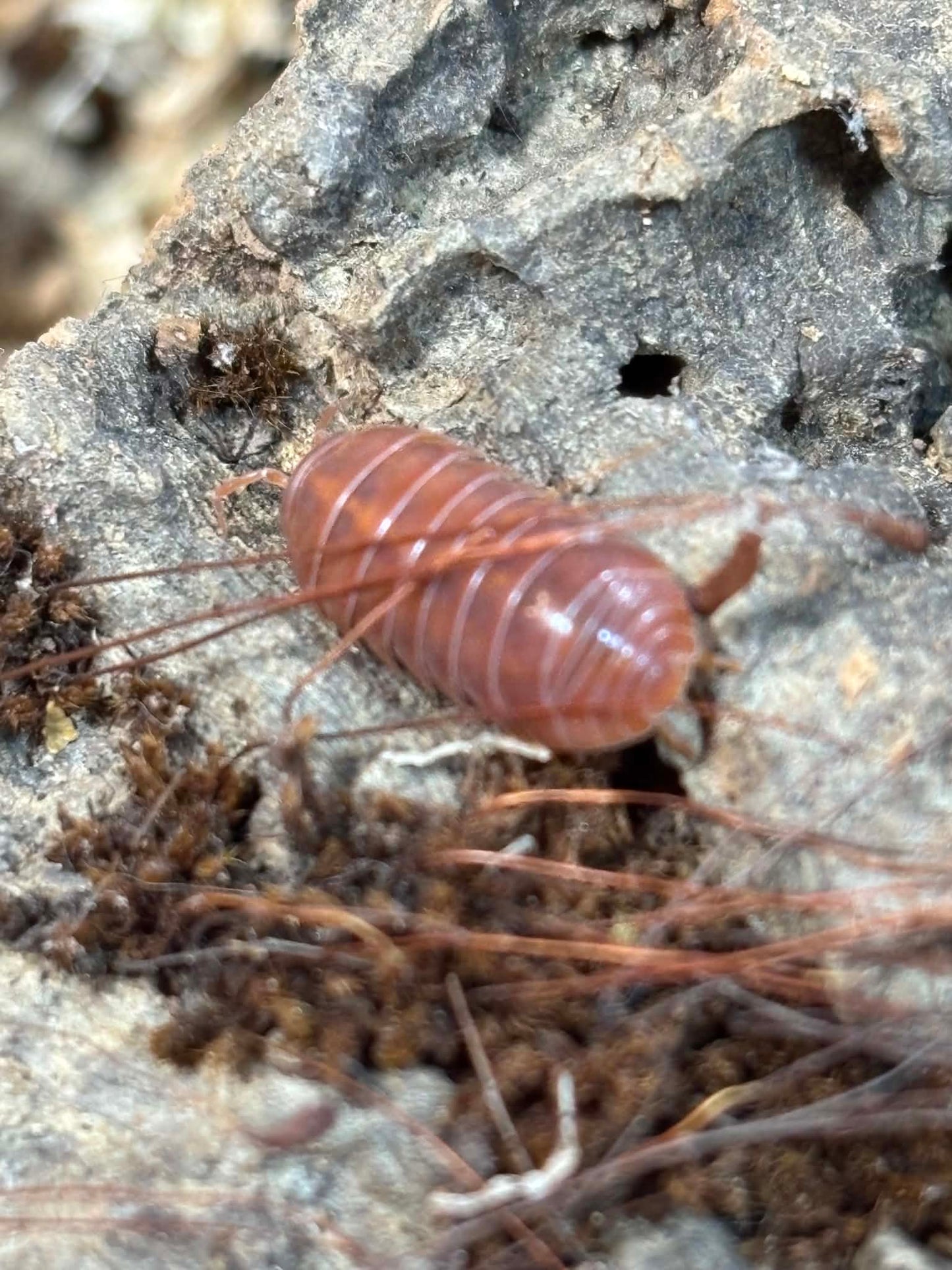
ARMADILLIDIUM VULGAR --Orange Vigor 10+ Pods
ARMADILLIDIUM VULGAR --Orange Vigor 10+ Pods
Couldn't load pickup availability
- Bright neon gems that roll into a flawless, gap-free sphere.
- “These brilliant orange isopods can look pale orange to nearly red; and are referred to as roly polys due to their tendency to roll up into a ball when disturbed or threatened.” -- The Orange Vigor is an absolute staple for anyone wanting an explosion of warm, high-visibility color on the forest floor. “Babies are born white, and gain color with each shed. After 2-3 sheds, they are a light yellow, young to sub adulthood they are various shades of orange, then full adulthood they appear a deep burgundy-red.” -This unique maturation process creates an enchanting mix of sunset hues within a single colony, all beautifully highlighted by inherited “yellow and gold flecking inherited from wild types...” -- As a classic pill bug, “Unlike some other species, A. vulgare rolls into a complete ball with no gaps or spacing.” --
- Best Suited For: First-time pet owners, highly visual display terrariums, and temperate bioactive cleanup crews.
- Quick Care: Incredibly adaptable and bulletproof. They thrive best in temperate to semi-arid environments. “Much like their common cousins, "Orange vigor" can tolerate slightly drier conditions, but do prefer a nice damp area in their gradient.” -- [Reptanicals]. Simply offer a damp corner of sphagnum moss alongside a mostly dry enclosure. Feed a standard diet of hardwood leaf litter, veggies, and plenty of calcium to build strong, colorful armor. (Note: Avoid soggy, waterlogged tropical setups to ensure smooth, healthy molting!)
Isopods (roly-polies or pillbugs) are essential cleanup crews for bioactive terrariums, excellent natural recyclers of decaying organic waste, and popular, low-maintenance pets for invertebrate hobbyists. Iso Pods are Great For: Bioactive Enclosures & Clean-Up Crews Eating waste: They consume animal feces, shed skin, and leftover food. Controlling mold: They eat decaying plant matter to stop mold and fungus overgrowth. Recycling nutrients: They break down heavy debris and return vital nutrients to the soil for live plants. Feeding pets: They provide a safe, natural live food source or calcium-rich snack for small reptiles and amphibians. Low-Maintenance Pets & Collecting Quiet and clean: They stay silent and do not require live hunting insects for food. Unique colors: Rare morphs and species feature striking patterns like zebra stripes or duck-like shapes. Inexpensive hobby: Most common starter varieties need minimal space, like a small plastic tub with damp leaf litter and soil.
Share